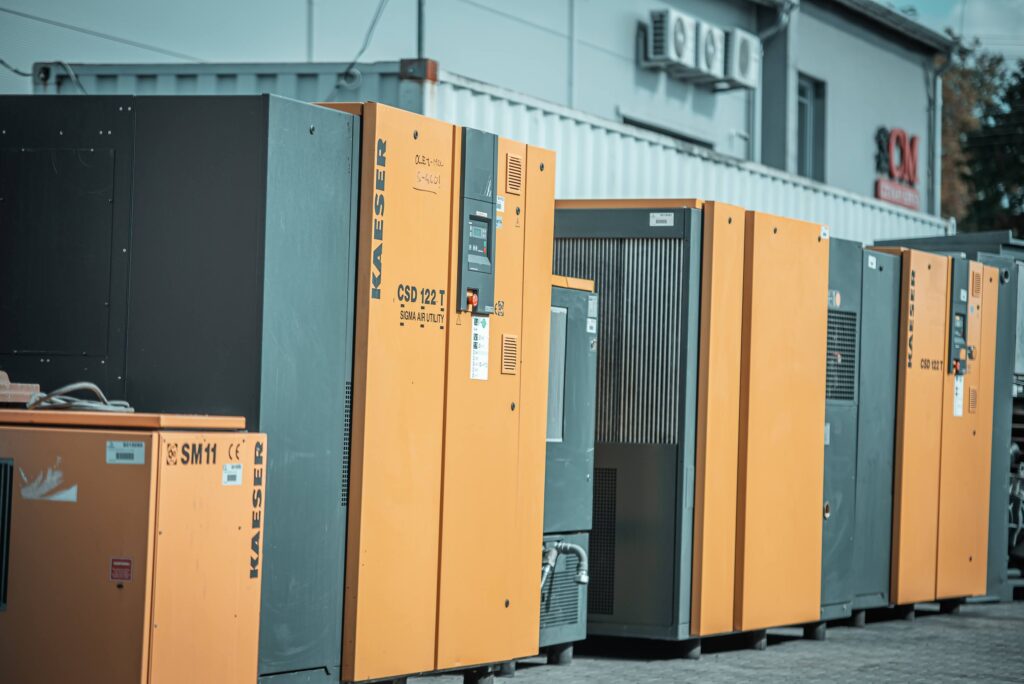

Compressed air in industrial and service processes should undergo a treatment process that will allow obtaining a medium with the expected technical parameters in terms of cleanliness and humidity. How does the air treatment process work and why is it worth doing?
Where does compressed air pollution come from?
Compressed air is produced from atmospheric air, which contains impurities and moisture. These include hydrocarbons as well as oxides of sulfur, nitrogen and carbon. Additionally, the compressor itself is also a source of contamination, including oil and wear products.
Moisture is particularly dangerous for pneumatic devices and the machine itself or the compressed gas installation. It is sucked in with atmospheric air with an average humidity of 60%. As a result, as a result of compression, the air is characterized not only by high chemical pollution, but also by high moisture content in the form of saturated water vapor. Moreover, moisture combined with impurities becomes acidic, harmful to metal elements not only of the compressor itself, but also of installations and end devices. Hence the need to use compressed air preparation units containing elements such as an air dehydrator and compressed air filters.
What does compressed air treatment include?
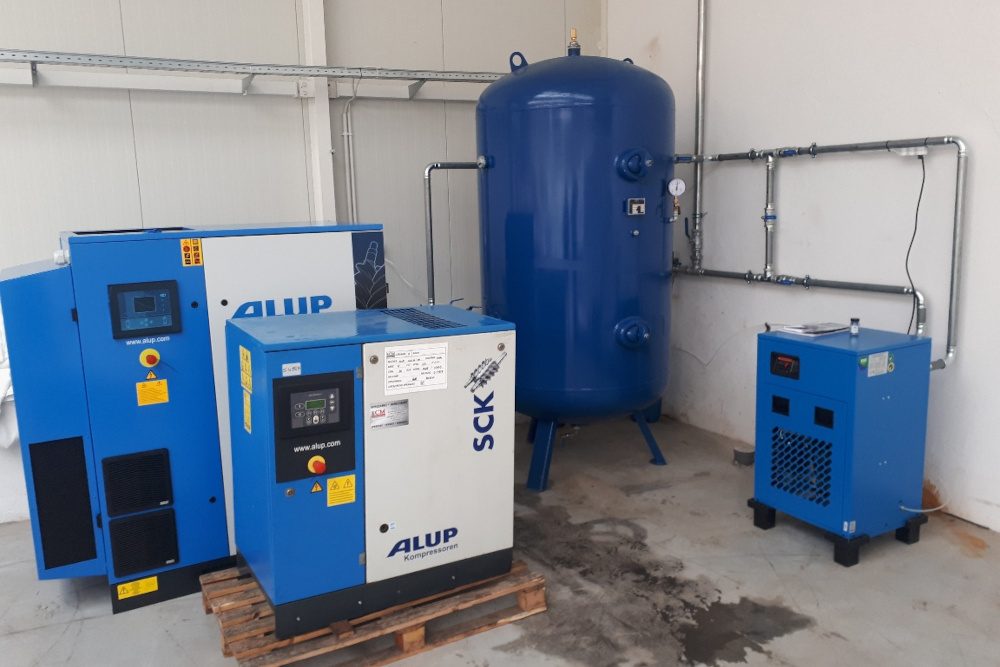
Air treatment in compressed gas systems includes a number of activities that improve the quality of the working medium. These include cooling the compressed air, drying it, removing dust and oil. To obtain the optimal purity class of the medium (adapted to the needs of the production process), additional devices and elements are used to reduce the level of contamination and humidity, such as dehydrators, filters and water separators for the compressor.
An effective way to eliminate contaminants in compressed media systems is compressed air filtration. Compressed air filters are responsible for eliminating all types of volatile pollutants. Carbon, dust, coalescing and sterile filters are available on the market. Importantly, they should be replaced at least once a year, because in the long run they not only lose their filtration properties, but may also contribute to the pressure drop in the system.
An extremely important issue is the elimination of moisture from compressed air. The compressor dehydrator is responsible for this process. The most popular devices of this type include refrigerating and adsorption dryers with various dew points. Compressor water separators and water-oil separators are also widely used.
Why compressed air treatment is important
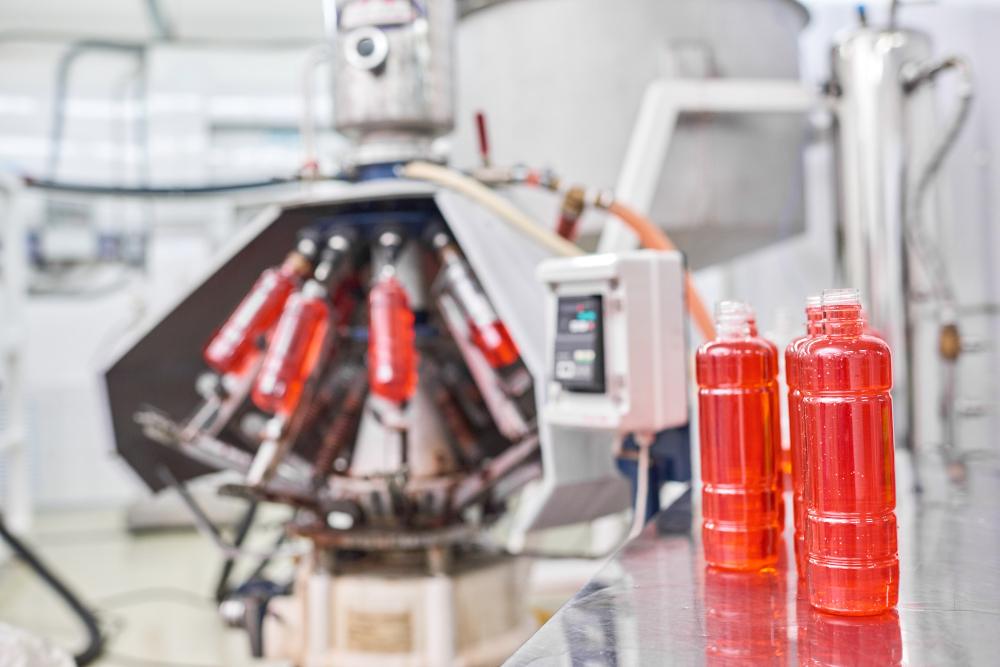
Compressed air is commonly used in industry to power pneumatic devices. Its quality affects the life of the final reception points, therefore it should have a purity class adapted to the requirements of pneumatic devices, which react badly not only to contamination, high humidity, but also to the high temperature of the compressed gas. This also applies to the compressed medium transmission system. Moreover, the purity class of the compressed air must also be adapted to the requirements of the final product. Therefore, compressed gas treatment, including air dehydration and air filtration, is crucial both for the service life of the entire system and for the quality of the final product.
The use of a compressed air dehydrator, compressor air filters or water separator minimizes the risk of corrosion in the system and at the same time allows you to obtain a medium with quality parameters adapted to the specificity of the end devices used and the industry. It extends the life of individual devices and system elements and at the same time reduces the risk of uneven operation of pneumatic devices.