The tightness of the compressed air system is crucial to achieving energy efficiency, reducing operating costs and improving the efficiency of the system. How to take care of your compressed air system to prevent medium leaks?
What does the tightness of a compressed air system mean?
The tightness of a compressed air system is related to the system's ability to remain hermetic. Indicates that the system has no compressed air leaks from components such as lines, connectors, valves, gaskets and other components.
Why is the tightness of the compressed air system so important? High tightness is crucial for the efficient operation of a compressed air system because air leaks lead to energy loss, reduced system pressure, increased operating costs, equipment damage and reduced air quality.
Let's take a closer look at the consequences of the system not being tight. Air leaks from the compressed air system lead to excessive energy consumption due to the compressor having to work harder to maintain the required pressure. Maintaining high tightness allows you to avoid these energy losses and reduce operating costs. Increased energy costs are not the only higher operating costs associated with system leaks. Air leaks also lead to more frequent repairs and maintenance.
Air leaks will lead to a loss of system pressure, which in turn will affect the performance of pneumatic equipment and other compressed air applications. Maintaining high tightness allows you to maintain stable pressure in the system, which translates into better work efficiency.
It is also worth emphasizing that air leaks lead to increased wear and damage to pneumatic devices and other components of the compressed air system. Therefore, maintaining high tightness of the system helps extend the life of the receivers and reduce the costs associated with their repair and replacement.
How to make the compressed air system tight?
Minimizing leaks and leaks should be one of the basic activities related to system maintenance. To achieve high tightness of your compressed air system, you must follow several key rules and take appropriate maintenance actions.
The activities carried out during the construction of the compressed air system are of great importance. Selecting high-quality materials will be key, including tubing, connectors, gaskets and other structural components. Low-quality materials are more susceptible to damage, corrosion and wear, which will soon lead to air leaks. You should also pay attention to the correct installation of all components of the compressed air system.
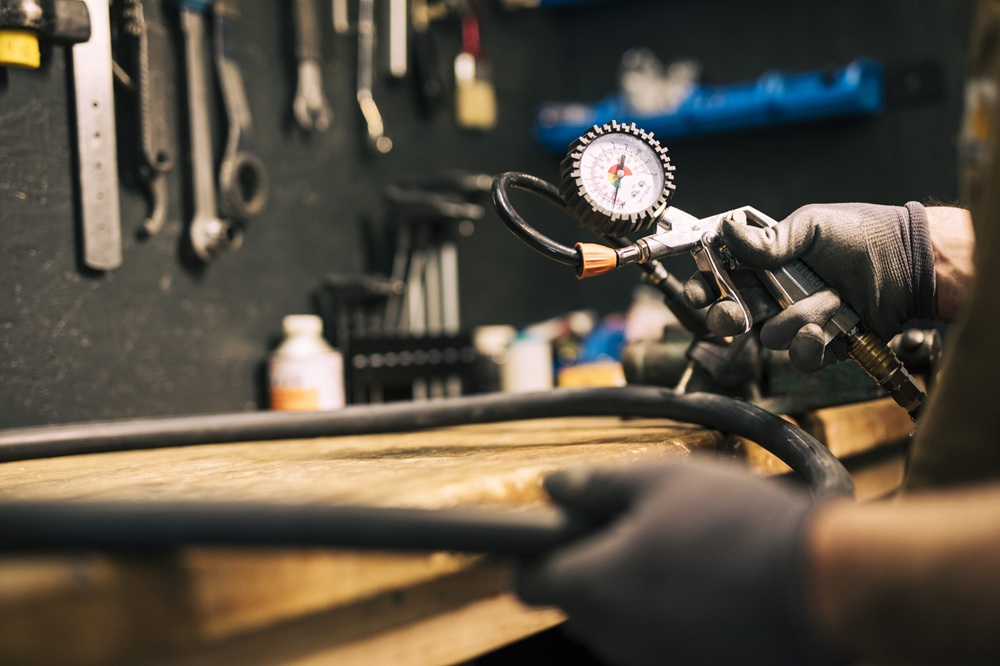
On the other hand, it is important to properly maintain the system. Regular inspections and inspections of the compressed air system are essential to detect and repair possible leaks at an early stage. As part of systematic inspections, it is worth carrying out a visual inspection or pressure tests, as well as using specialized tools, such as leak detectors, which will allow you to efficiently find potential leak points.
It is also important to use the system correctly on a daily basis. Ensuring stable pressure in your compressed air system helps prevent leaks. Sudden pressure changes can cause stress in materials, which will lead to damage and leaks. It is also worth using the right seals and lubricants. Unsuitable materials may degrade under pressure and temperature, leading to leaks. You should also remember to follow the manufacturer's recommendations regarding the maintenance, installation and operation of compressors and other components of the compressed air system. For this purpose, it is worth training employees responsible for the operation and maintenance of the compressed air system.
Following these rules and taking appropriate maintenance measures will help you ensure the tightness of your compressed air system, which will translate into energy savings, reduced operating costs, improved work efficiency and operational safety.